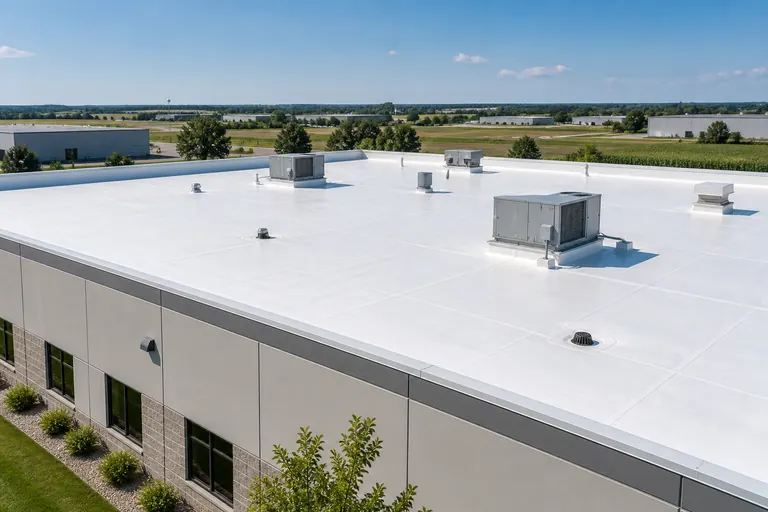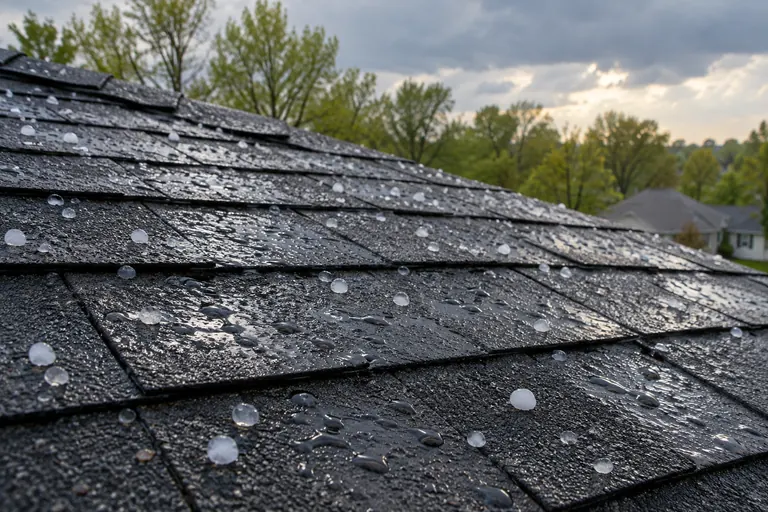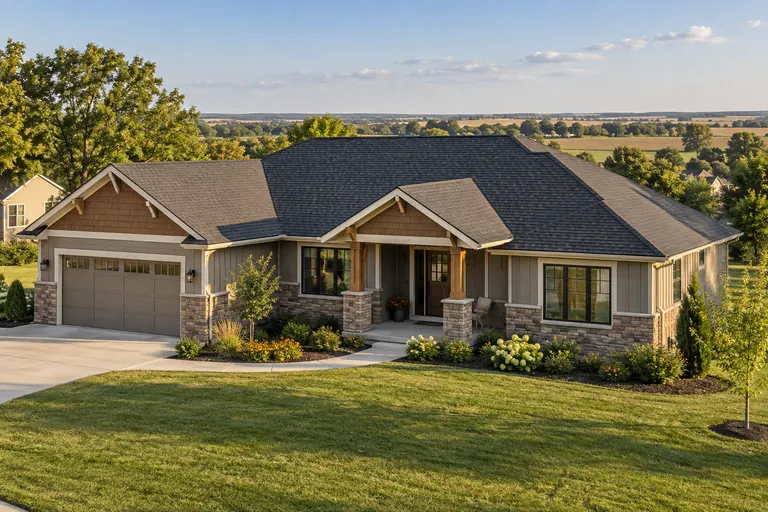
Start with the building—not a shingle sample
Write down the legal address, the way the building is used, and the problem you are trying to solve. A farm shop, a rented duplex, and an owner-occupied house may need different project teams and approvals even when the roofs look similar. A mailing city does not prove that a rural property is within city limits.
Collect prior roof invoices, warranties, photos, and permit records if available. Note the approximate installation date without treating age alone as a verdict. Ask for an assessment that distinguishes the covering, flashings, decking, insulation, ventilation, and drainage.
- Photograph interior stains and visible exterior concerns from a safe location.
- Record when leakage happens: wind-driven rain, snowmelt, or ordinary rainfall.
- Identify solar panels, rooftop equipment, attached garages, and occupied spaces below.
Decide what the project must accomplish
A useful scope explains the failure and the proposed remedy. A flashing repair may solve a localized leak; replacing shingles will not automatically fix an underlying drainage or attic-moisture problem. Ask what remains uncertain until materials are removed.
For replacement, compare complete assemblies rather than color and price alone. Specify tear-off versus a proposed recover, treatment of damaged decking, flashings, edge details, ventilation, cleanup, and temporary weather protection. Ask the contractor to explain why the assembly suits the roof’s slope and exposure.
Check the local path before scheduling
Iowa does not have one city permit procedure that can be pasted onto every address. Use our city directory to locate researched municipal resources, or ask the clerk for the responsible building official where those details are still pending. Describe repairs, covering replacement, and structural changes separately.
For certain occupancies and projects, state plan review may also be relevant. Use DIAL’s jurisdiction guidance to identify that possibility; do not assume a city permit replaces every state requirement. Get property-specific determinations from the responsible office.
Make competing proposals comparable
Ask each bidder to price the same written scope. A low number with decking, disposal, or flashing omitted is difficult to compare with a complete proposal. Record allowances, unit prices for hidden deterioration, payment milestones, and who approves changes.
Check Iowa contractor registration through DIAL and request current insurance documentation. Registration is not a warranty, a workmanship endorsement, or proof of every specialty license. Clarify which subcontractors will be on site and who owns the final inspection and closeout tasks.
- Material manufacturer and exact product—not only a brand name.
- Repair quantities and the process for owner-approved change orders.
- Workmanship and product warranties, exclusions, and maintenance responsibilities.
- Protection for landscaping, customers, livestock, vehicles, and neighboring property.
Plan an Iowa weather window
Iowa storm and winter planning belongs in the schedule, not just in the product selection. Ask how crews will protect open areas if weather changes, where materials will be secured, and how delays are communicated. Use the property’s current forecast before work; a regional climate description is not a safe-working instruction.
For rural properties, discuss delivery access and occupied outbuildings. For businesses, separate customer entrances from work areas and coordinate rooftop equipment with the appropriate trades. Do not assume temporary protection makes a damaged building safe to occupy.
Keep a roof record after the crew leaves
Keep the final scope, change orders, material information, warranties, photos, permit closure if applicable, and maintenance recommendations together. Ask who to contact if the first hard rain reveals a problem.
Review the roof from a safe location after severe weather and follow the written maintenance plan. Your local guide and the repair-versus-replacement guide can help organize the next conversation, but an on-site assessment is still needed to judge the roof.
Official sources & further reading
Resources checked September 9, 2026. Rules and linked documents can change; confirm the current requirements with the responsible office.
- Iowa DIAL: contractor registration
- Iowa DIAL: plan review, jurisdiction, and code resources
- National Weather Service Des Moines: August 2020 derecho
- National Weather Service Des Moines: winter safety