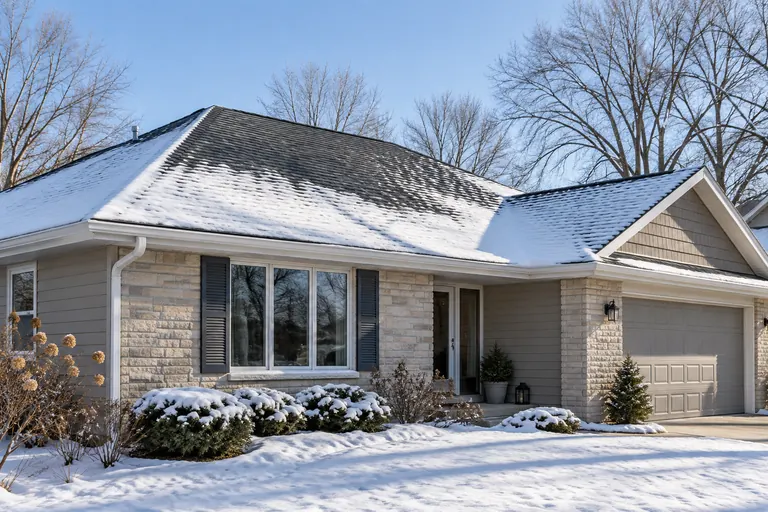
Do the accessible planning before winter
Arrange a roof and drainage review before persistent freezing conditions. Discuss damaged flashing, loose materials, blocked drainage, and any history of leakage after snowmelt. Keep ladders and DIY roof access out of icy conditions.
Use National Weather Service forecasts for the property when planning work. A calendar date does not guarantee a safe or suitable installation window; material requirements and actual site conditions matter.
- Document known leaks and prior ice-dam locations.
- Have gutters, drains, and downspouts checked safely.
- Confirm where snow or ice could fall near entrances.
- Keep the contractor’s contact details and prior roof records accessible.
Understand the ice-dam conversation
Ice dams can form when melting roof snow refreezes near colder roof edges and interferes with drainage. Water can then work beneath the covering. The NWS highlights attic insulation and ventilation as parts of the prevention discussion.
Ask a qualified professional to evaluate the building as a system, including air leakage and moisture—not simply to add a vent or heating accessory without diagnosis. This guide does not prescribe insulation values, wiring, or a universal retrofit.
Do not estimate roof capacity from snowfall depth
Snow density, drifting, roof geometry, existing loads, and structural condition all matter. A general city guide cannot determine safe snow depth or the load capacity of a particular building. Ask a qualified structural professional when capacity is in question.
If the building shows signs of possible structural distress or immediate danger, keep people out of the affected area and contact emergency services as appropriate. Do not go onto the roof to investigate. Arrange qualified snow or ice removal when needed.
Make a winter plan for an occupied business
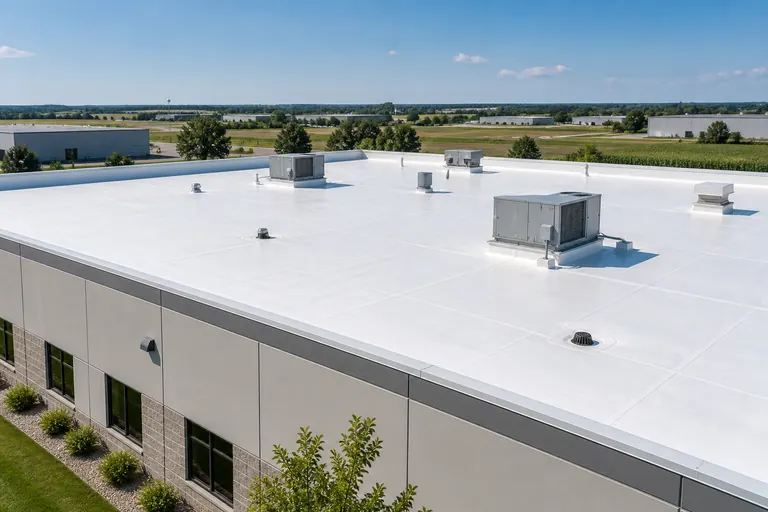
Identify roof access rules, critical drains, rooftop equipment, and areas beneath potential snow or ice shedding. Assign reporting responsibilities so a new leak or blocked drainage path reaches the right person. Coordinate equipment issues with the responsible trades.
Do not block emergency exits or expose customers to falling snow while handling maintenance. Review work-area controls and temporary protection with qualified contractors before conditions deteriorate.
Use the thaw as a follow-up checkpoint
After conditions improve, document any new interior stains and arrange a safe assessment. A symptom that appears only during thaw may require a different diagnosis from a wind-driven-rain leak. Keep dates and weather context with the photos.
If repairs expand to decking, framing, or changes to the assembly, confirm the local permit path. Use the Iowa repair-versus-replacement guide to compare options and your city guide to find the relevant office.
Official sources & further reading
Resources checked September 9, 2026. Rules and linked documents can change; confirm the current requirements with the responsible office.
- National Weather Service Des Moines: winter safety
- National Weather Service: preventing roof ice dams
- Iowa DIAL: plan review, jurisdiction, and code resources